Publications

# First author, †Corresponding author.

2026

Fatigue Resistant Hydrogels Engineered With Twisting Hierarchical Structures
[1]

Fatigue Resistant Hydrogels Engineered With Twisting Hierarchical Structures

Yinghui Feng#, Yafei Wang#, Chang Wang, Xingmei Chen, Liangjie Shan, Runyi Yan, Zongbao Wang, Sicong Liu, Ji Liu
Advanced Materials, 2026, 202522623.

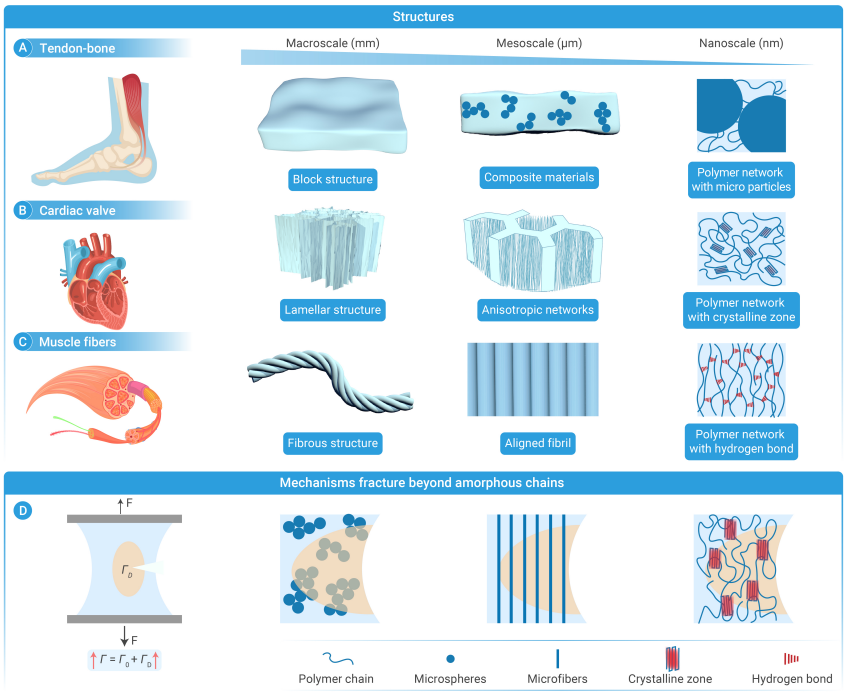
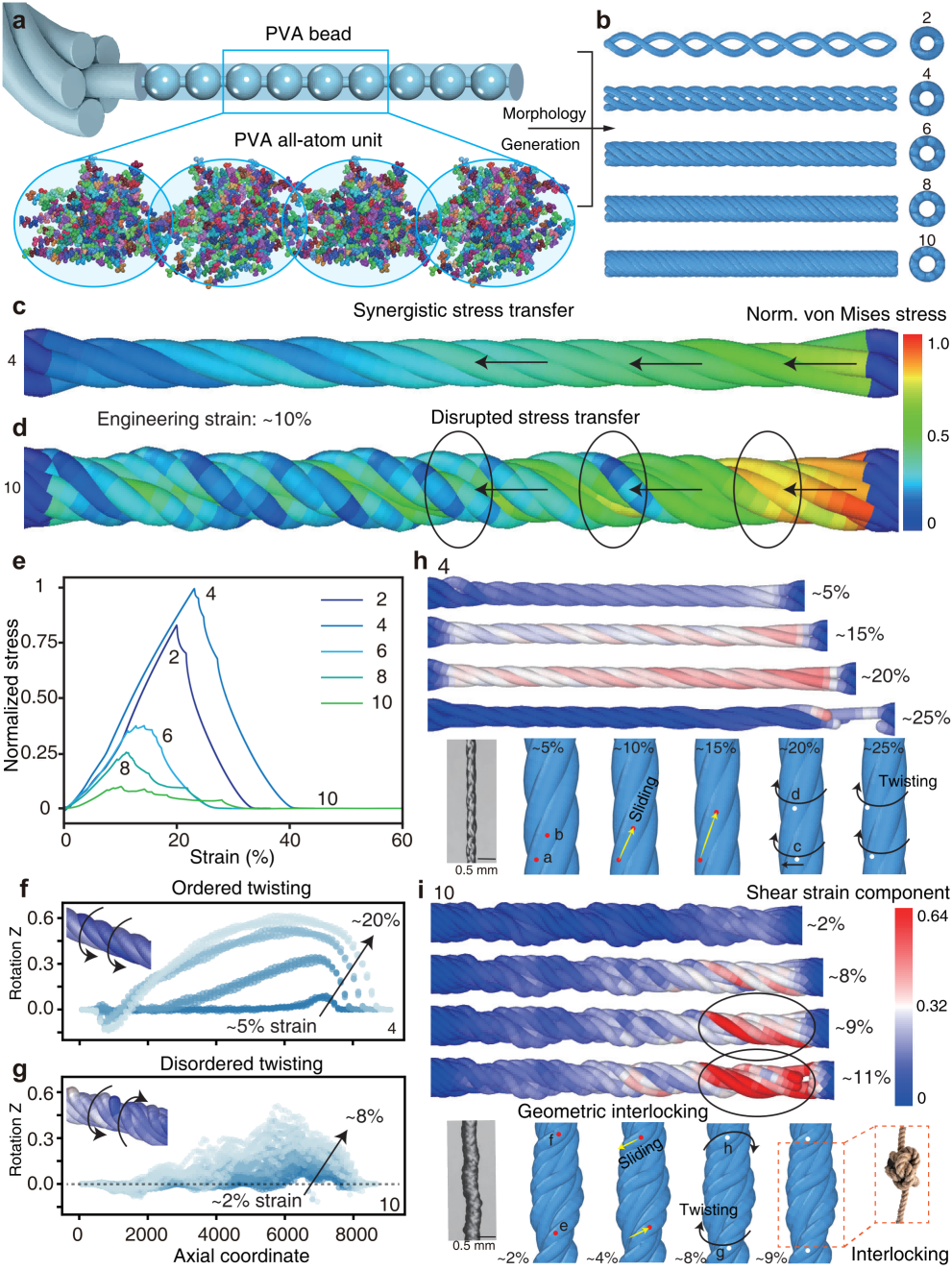
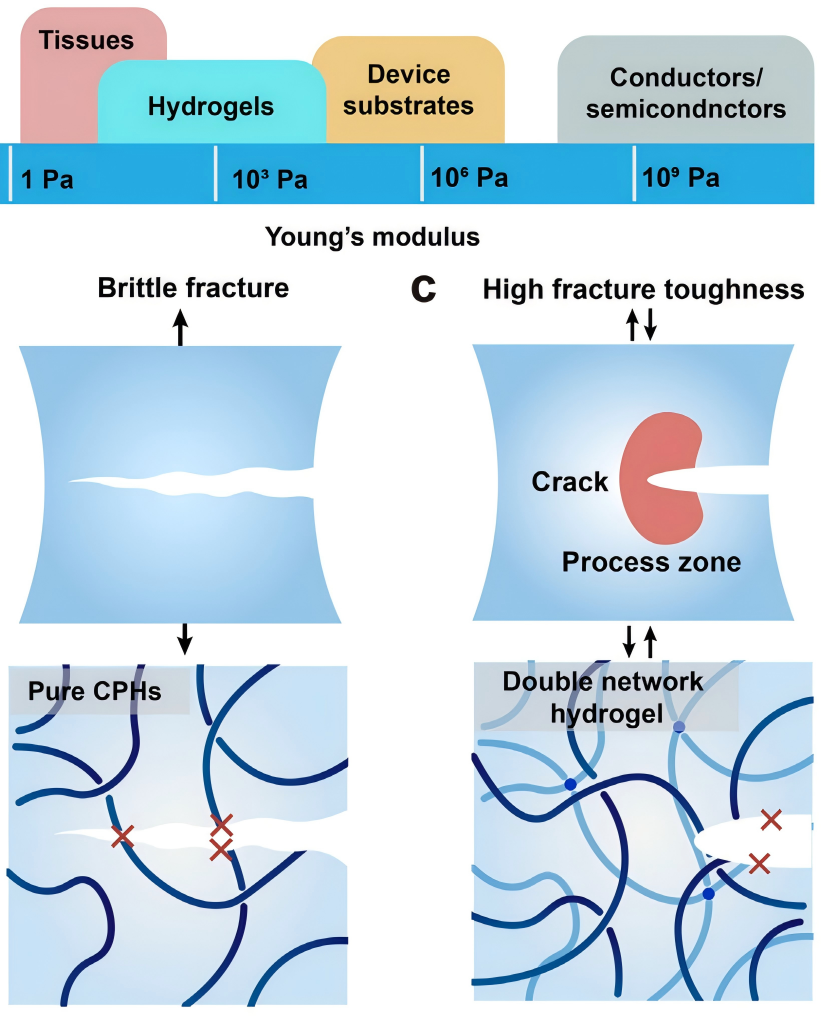
Hydrogels hold significant potential for soft robotics and biomedical applications, yet their practical utility remains limited by poor fatigue resistance during long-term dynamic loading. Here, we present a twisting strategy that enhances hydrogel materials' mechanical durability through bioinspired torsion methodology, enabling efficient load transfer and energy dissipation. Multiscale simulations reveal that moderate twisting promotes uniform stress distribution through inter-fiber sliding, while excessive twisting causes geometric locking. This bioinspired architecture establishes a universal design paradigm for fatigue-resistant hydrogel systems, unlocking their potential in demanding applications from implantable medical devices to adaptive soft robotics.

2025

Engineering Conducting Polymer Hydrogels for Bioelectronic Interfacing
[11]

Engineering conducting polymer hydrogels for bioelectronic interfacing

Yu Xue, Zhipeng Ni, Yafei Wang, Liangjie Shan, Ji Liu
Advanced Functional Materials, 2025, e21327.

Conducting polymer hydrogels (CPHs) reconcile the mechanical, electrochemical, and biocompatibility mismatches between hydrated biological tissues and conventional electronics by combining hydrogel-like compliance with tunable mixed ionic–electronic conductivity. This review synthesizes molecular and structural engineering strategies, interfacial transport mechanisms, and bioelectronic applications of CPHs, and calls for predictive frameworks that link molecular design to dynamic performance and long‑term biointegration under physiological loading.

Deep learning-driven ultra-stretchable Kirigami metamaterials: Towards surface texture modulation via buckling
[10]

Deep learning-driven ultra-stretchable Kirigami metamaterials: Towards surface texture modulation via buckling

Yunce Zhang, Li Lin, Yafei Wang†, Shurui Wang, Qiang Tao, Hongwei Liu, Qi Zhang, Changguo Wang
Soft Matter, 2025.

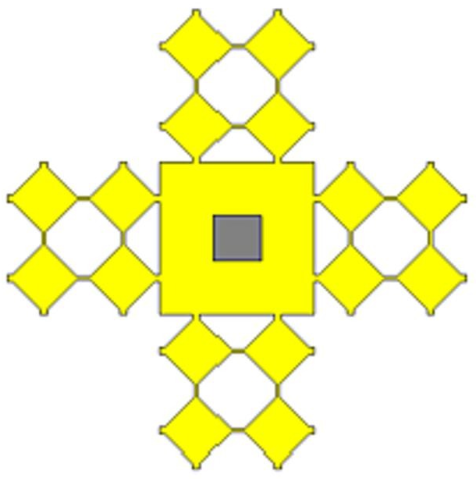
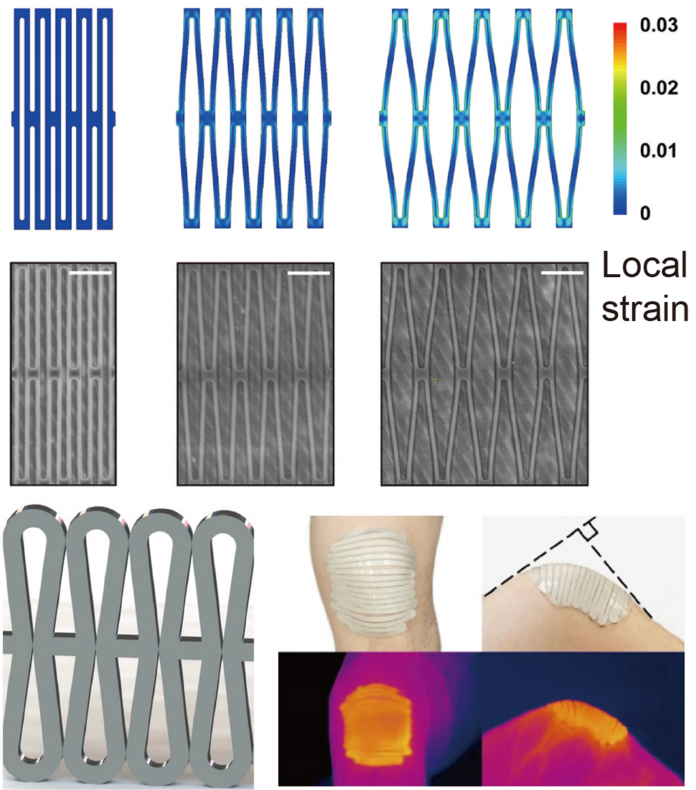
Kirigami demonstrates distinctive buckling instability behavior when subjected to tensile stress, bestowing the structure with exceptional stretchability and design versatility. Nonetheless, conventional design methodologies predominantly focus on unidirectional cutting kirigami structures, investigating their buckling instability and out-of-plane configurations derived from geometric symmetry. To enhance the functionality of kirigami and thoroughly explore the mechanisms of buckling behavior upon the disruption of geometric symmetry, as well as to comprehend the impact of geometry on programmability during reconfiguration, we have analyzed the buckling instability mechanisms of tessellated cutting kirigami structures.

Mechanically Compliant and Impedance Matching Hydrogel Bioelectronics for Low-Voltage Peripheral Neuromodulation
[9]

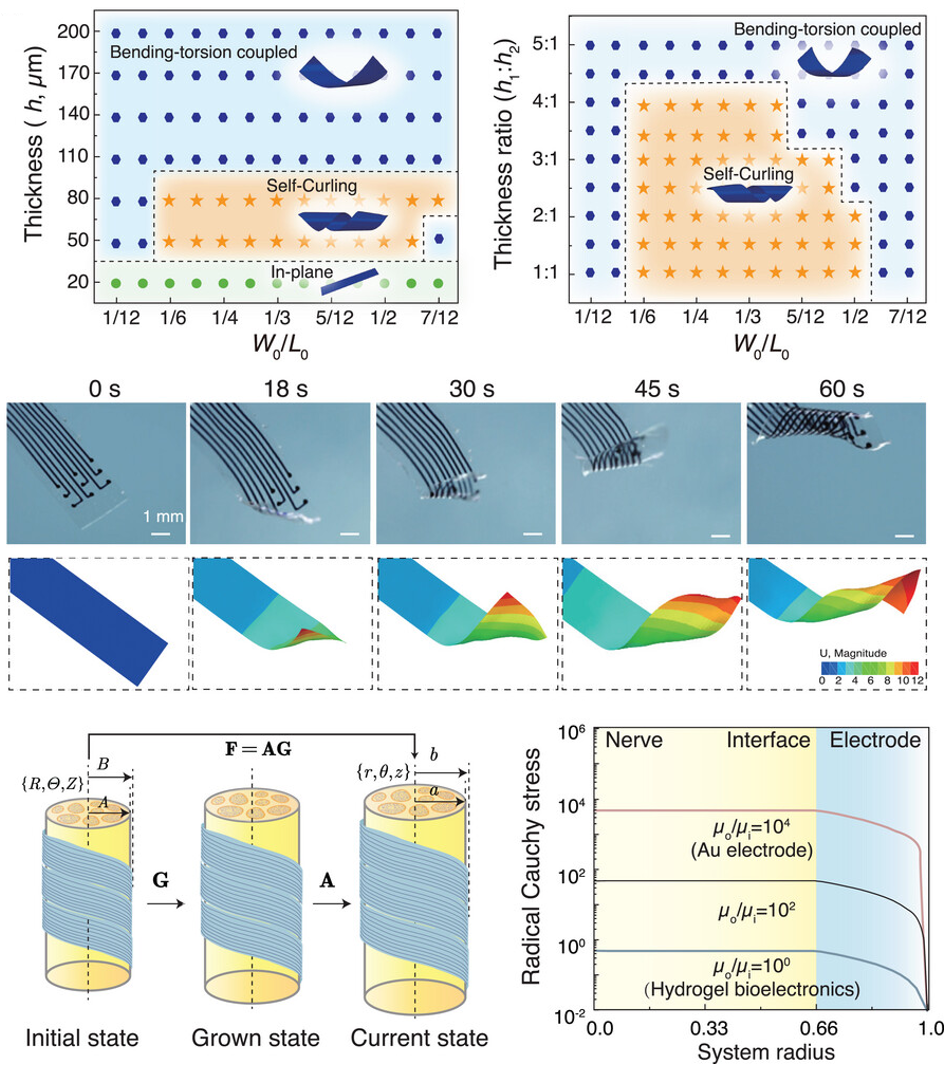
Mechanically compliant and impedance matching hydrogel bioelectronics for low-voltage peripheral neuromodulation

Liangjie Shan, Yu Xue, Xingmei Chen, Yafei Wang, Yinghui Feng, Li Dong, Chang Wang, Pei Zhang, Fucheng Wang, Linna Guo, Ji Liu
Advanced Materials, 2025, 37, 2511014.

This study introduces full-hydrogel bioelectronics that match the mechanical and impedance properties of peripheral nerves, enabling low-voltage vagus nerve stimulation. The bioelectronics curl around nerves, forming a robust interface that resists deformations. They reduce impedance mismatch, allowing stimulation at 10 mV and facilitating stroke rehabilitation in a rat model.

Bioinspired Hierarchical Hydrogels Engineered with Extreme Impact Resistance
[8]

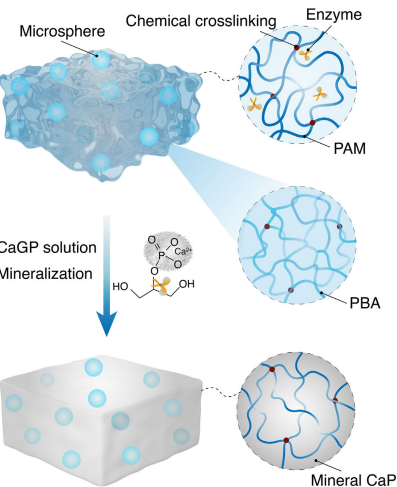
Bioinspired hierarchical hydrogels engineered with extreme impact resistance

Yun Tan#, Yafei Wang#, Pei Zhang, Jun Li, Fucheng Wang, Liangjie Shan, Jin Guo, Zongbao Wang, Ji Liu
Advanced Functional Materials, 2025, 202508034.

Inspired by the mantis shrimp’s dactyl club, we synergistically integrate polymer elastic microspheres with enzyme-induced biomineralization to build microsphere-reinforced nanocomposite hydrogels (MNHs). The hierarchical design simultaneously delivers high strength, remarkable fracture toughness, and unprecedented ballistic impact resistance under fully hydrated conditions, outperforming previously reported high-strength hydrogels. Coupled experiments and nonlinear simulations reveal multiscale reinforcement arising from the interactions among microspheres, mineral phase, and hydrogel matrix, offering a versatile platform for protective and energy-dissipative applications.

Mechanically-compliant magnetoelectric sutures for spatiotemporally programmable wound management
[7]

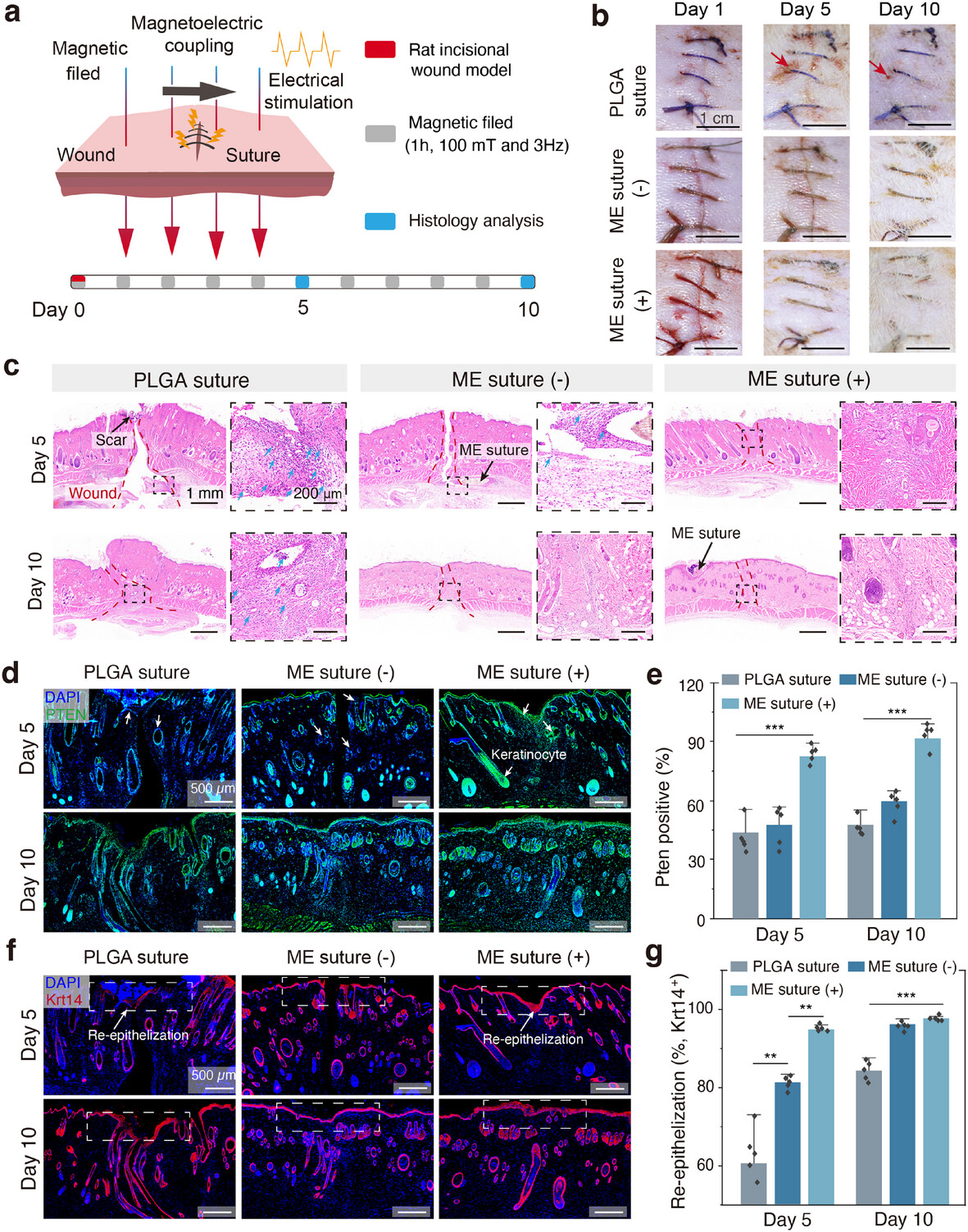
Mechanically-compliant magnetoelectric sutures for spatiotemporally programmable wound management

Yi Yang, Ping Wen, Xingmei Chen, Yafei Wang, Shenglong Zhu, Zhipeng Ni, Lingfeng Yuan, Liangjie Shan, Pei Zhang, Pujing Shi, Boyuan Huang, Wenwen Liu, Yuewen Zhang, Ziyi Yu, Ji Liu
Advanced Functional Materials, 2025, 2510353.

We developed magnetoelectric sutures by embedding core-shell magnetoelectric nanoparticles in a piezoelectric P(VDF-TrFE) matrix, enabling on-demand wireless electrical stimulation via magnetic fields. The polyzwitterionic hydrogel coating ensures mechanical compliance (Young's modulus ≈2.1 kPa, matching human skin) while the magneto-mechano-electric cascade generates programmable electric outputs (peak ≈4.8 V/cm). In vivo tests demonstrate a 40% faster wound closure versus conventional sutures.

Conductive hydrogels with topographical geometry and mechanical robustness for enhanced peripheral nerve regeneration
[6]

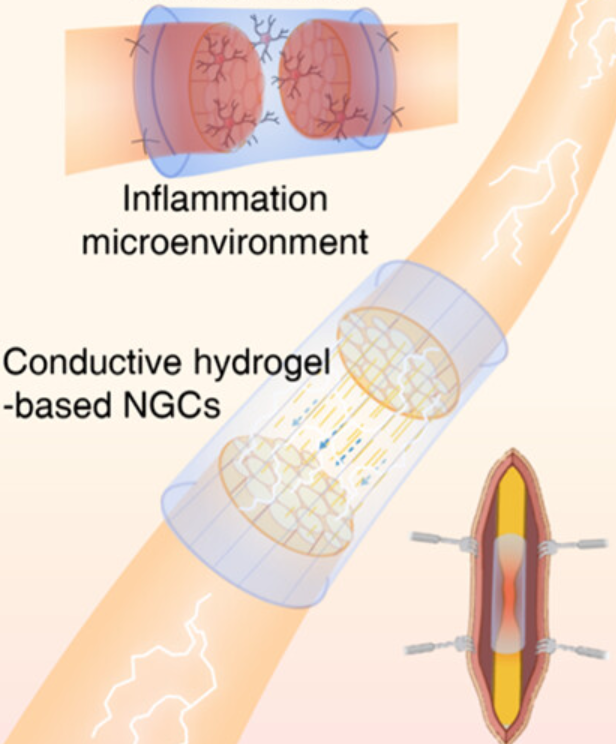
Conductive hydrogels with topographical geometry and mechanical robustness for enhanced peripheral nerve regeneration

Yinghui Feng, Liangjie Shan, Yafei Wang, Xingmei Chen, Chang Wang, Ji Liu
ACS Nano, 2025, 19(4), 1234-1245.

Fatigue-resistant conductive hydrogel nerve conduits (PVA/PEDOT:PSS) combine topological alignment (>500 S/m conductivity), mechanical robustness (500 J/m² fatigue threshold), and enhanced bioelectrical transmission for peripheral nerve regeneration, achieving 89% functional recovery in rat sciatic nerve models.

Towards ultrastretchability, multimodal instability, and static nonreciprocity in kirigami metamaterials
[5]

Towards ultrastretchability, multimodal instability, and static nonreciprocity in kirigami metamaterials

Yafei Wang, Mingchao Liu, Pooya Sareh, Ji Liu, Weicheng Huang
Soft Science, 2025, 5(2): 19.

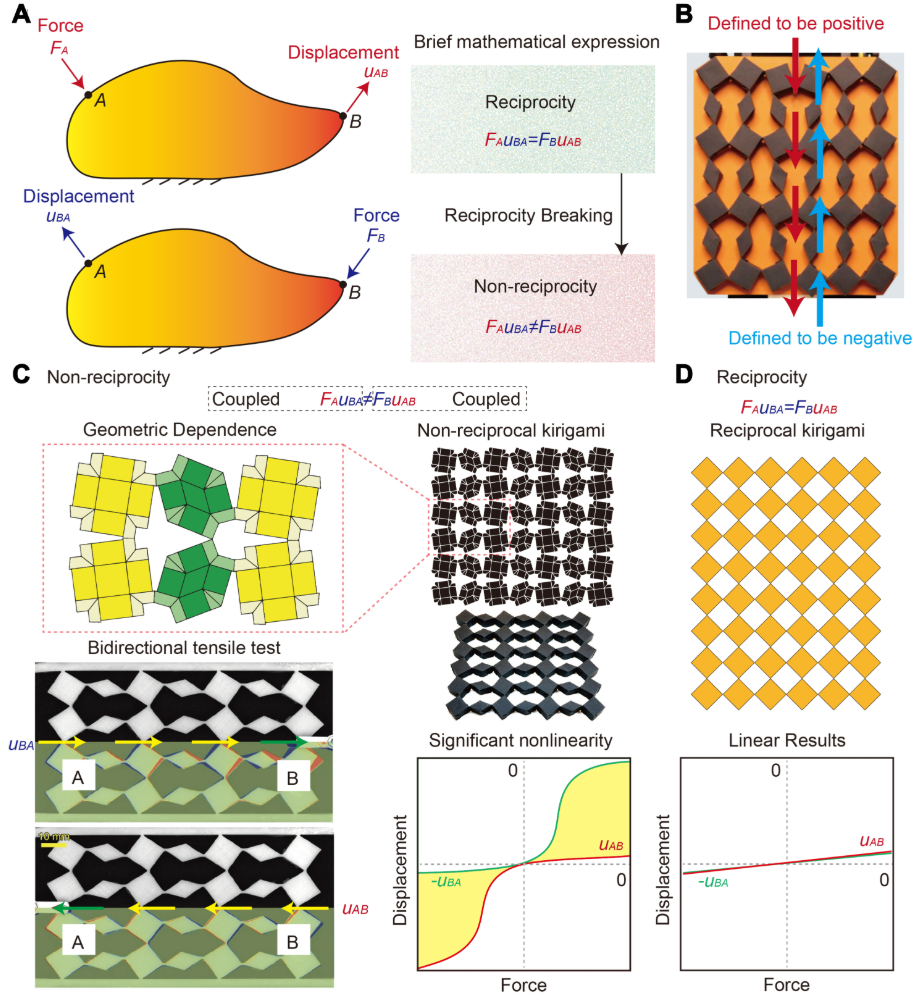
Kirigami metamaterials, known for their softness, lightness, and stretchability, face challenges in mechanical modeling due to instability and the failure of rigid-body assumptions. This review highlights the need for flexible tensile models and high-curvature designs, and introduces static nonreciprocity as a promising framework to capture their nonlinear, multistable, and asymmetric behavior, paving the way for applications in soft robotics and flexible electronics.
Coupled magneto-mechanical growth in hyperelastic materials
[4]

Coupled magneto-mechanical growth in hyperelastic materials: Surface patterns modulation and shape control in bio-inspired structures

Zhanfeng Li, Yafei Wang, Zuodong Wang, Chennakesava Kadapa, Mokarram Hossain, Xiaohu Yao, Jiong Wang
Journal of the Mechanics and Physics of Solids, 2024, 200, 106089.

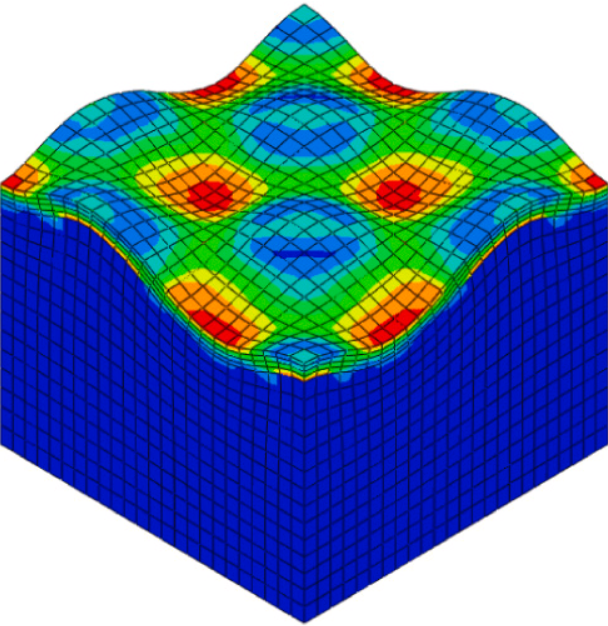
This paper explores coupled magneto-mechanical growth in hyperelastic materials, focusing on surface pattern modulation and shape control for bio-inspired structures with potential applications in adaptive materials and structures.

Conducting hydrogel-based neural biointerfacing technologies
[3]

Conducting hydrogel-based neural biointerfacing technologies

Pei Zhang, Yafei Wang, Zhaobo Li, Yu Xue, Fucheng Wang, Liangjie Shan, Yafei Wang, Xuetao Shi, Kai Wu, Ji Liu
Advanced Functional Materials, 2025, 2422869.

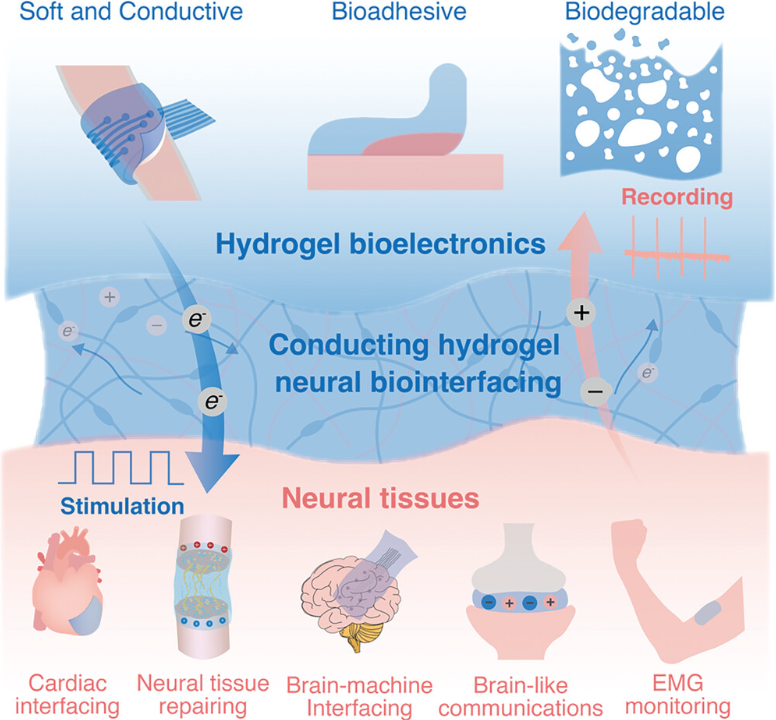
This paper discusses conducting hydrogel-based neural biointerfacing technologies, focusing on their potential applications and challenges in neuroscience and biomedical fields.

Dynamic instability in curved beams
[2]

Dynamic instability in curved beams

Yafei Wang, Wei Zhao, Yunce Zhang, Yangkun Du, Qiang Tao, Changguo Wang
Chinese Journal of Applied Mechanics, 2025, 42(1), 17-28.

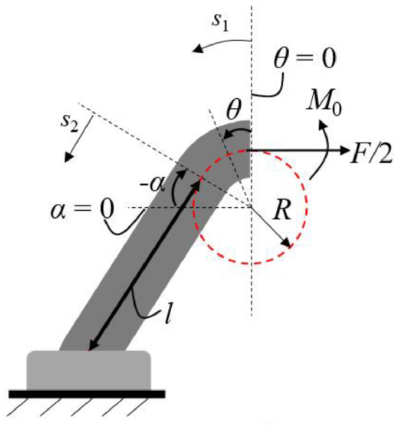
This study shows that dynamic instability and strength degradation in curved beams are mainly influenced by initial height and lateral pulse velocity, with minimal impact from viscous damping.

Biodegradable Power Sources
[1]

Biodegradable power sources for transient bioelectronics

Li Dong, Liangjie Shan, Yafei Wang, Ji Liu
Supramolecular Materials, 2025, 4(1), 100082.

Biodegradable power sources offer temporary energy solutions for implantable bioelectronics, including batteries, supercapacitors, and energy harvesting systems. Wireless energy transfer and biomechanical harvesting techniques further enhance the functionality of these devices. Future research should focus on improving biocompatibility, energy density, and degradation control for broader applications in bioelectronics.
2024

Electroactive differential growth and delayed instability in accelerated healing tissues
[8]

Electroactive differential growth and delayed instability in accelerated healing tissues

Yafei Wang, Zhanfeng Li, Xingmei Chen, Yun Tan, Fucheng Wang, Yangkun Du, Yunce Zhang, Yipin Su, Fan Xu, Changguo Wang, Weiqiu Chen, Ji Liu
Journal of the Mechanics and Physics of Solids, 2024, 105867.

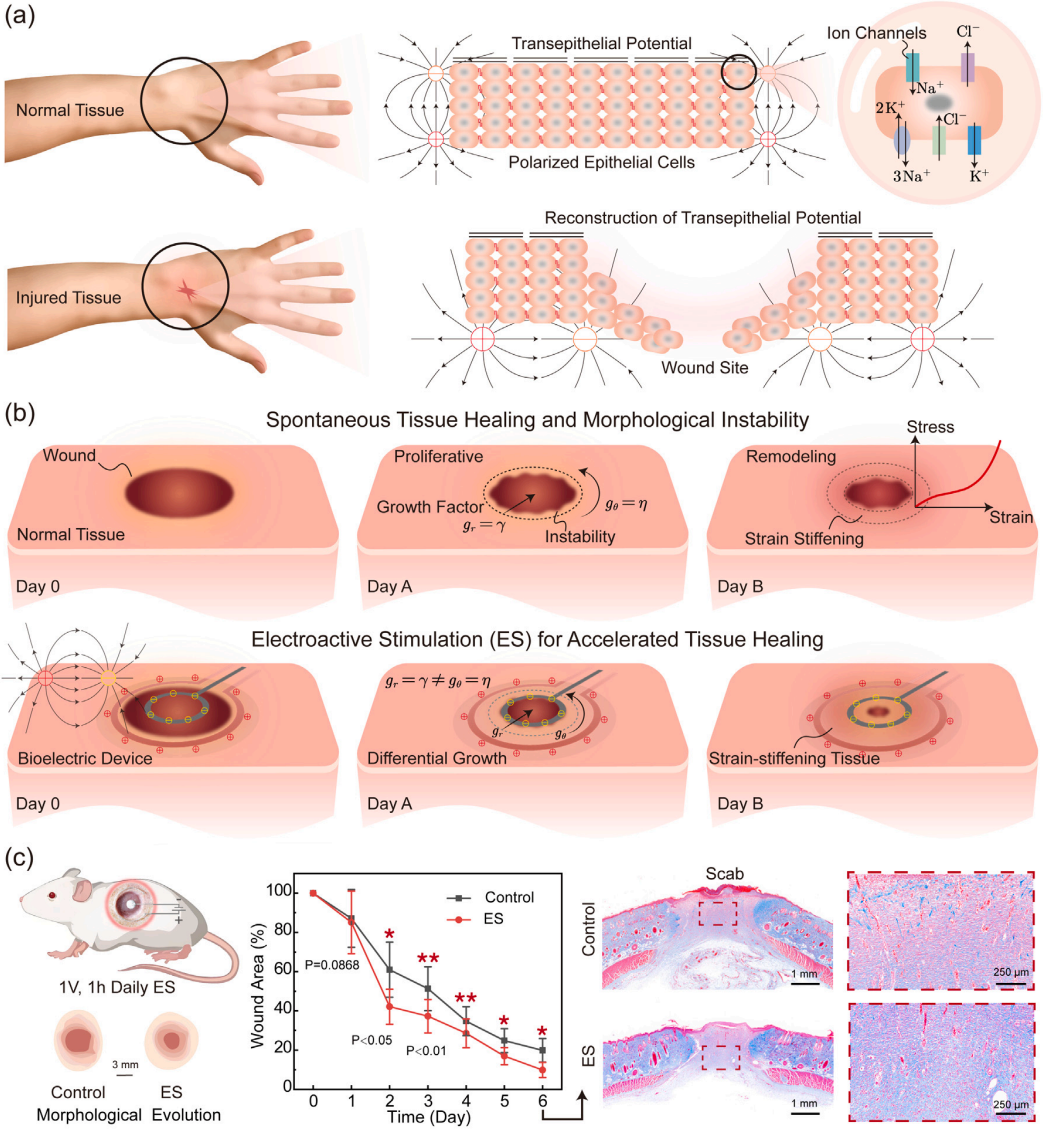
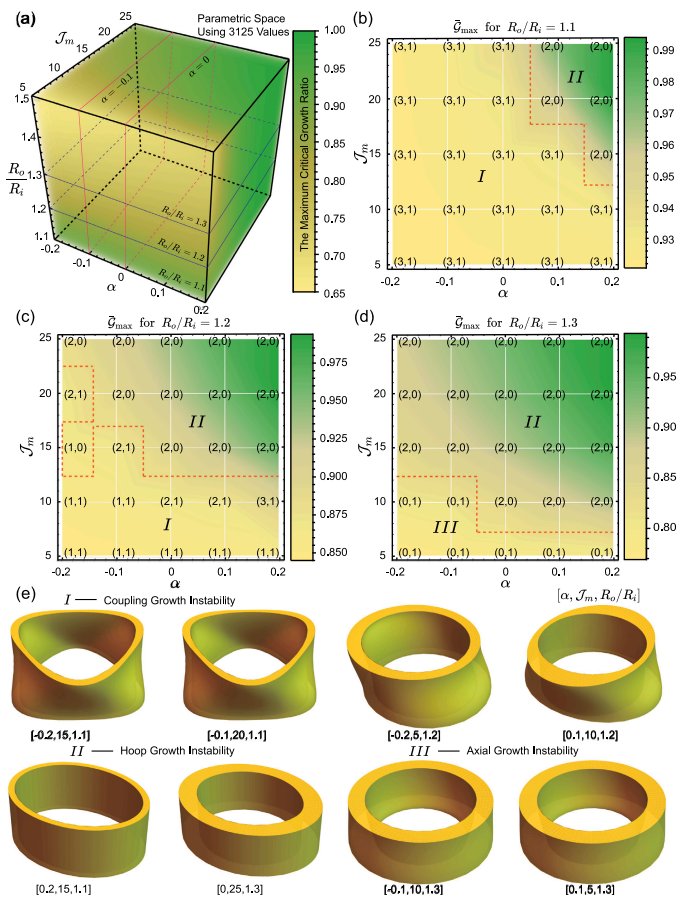
This paper explores electroactive differential growth and delayed instability in accelerated healing tissues, with an emphasis on their mechanical and biological implications in tissue engineering.

Bioinspired multiscale regulation for hydrogels with superior mechanics
[7]

Bioinspired multiscale regulation for hydrogels with superior mechanics

Yinghui Feng, Yafei Wang, Chaoji Chen, Zhaohui Wang, Ji Liu
The Innovation Materials, 2024, 100105.

This paper investigates bioinspired multiscale regulation techniques for hydrogels, focusing on their superior mechanical properties and potential applications in material science and engineering.

Hierarchically-structured and mechanically-robust hydrogel electrolytes for flexible zinc-iodine batteries
[6]

Hierarchically-structured and mechanically-robust hydrogel electrolytes for flexible zinc-iodine batteries

Yun Tan, Ruixi Liao, Yongbiao Mu, Li Dong, Xingmei Chen, Yu Xue, Ziman Zheng, Fucheng Wang, Zhipeng Ni, Jin Guo, Huicun Gu, Yafei Wang, Zongbao Wang, Lin Zeng†, Ji Liu
Advanced Functional Materials, 2024, 2470265.

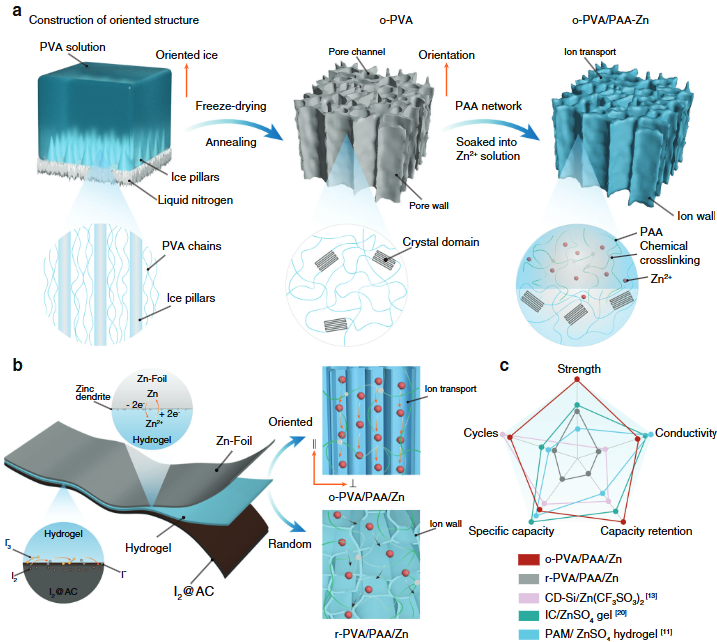
This paper presents a study on hierarchically-structured and mechanically-robust hydrogel electrolytes, aimed at improving the performance of flexible zinc-iodine batteries, with potential applications in energy storage systems.
Polyurethane vitrimers engineered with nitrogen-coordinating cyclic-boronic-diester bonds for sustainable bioelectronics
[5]

Polyurethane vitrimers engineered with nitrogen-coordinating cyclic-boronic-diester bonds for sustainable bioelectronics

Yue Tao, Yu Xue, Fucheng Wang, Liangjie Shan, Zhipeng Ni, Yunting Lan, Pei Zhang, Yafei Wang, Ji Liu
Small, 2024, 2408557.
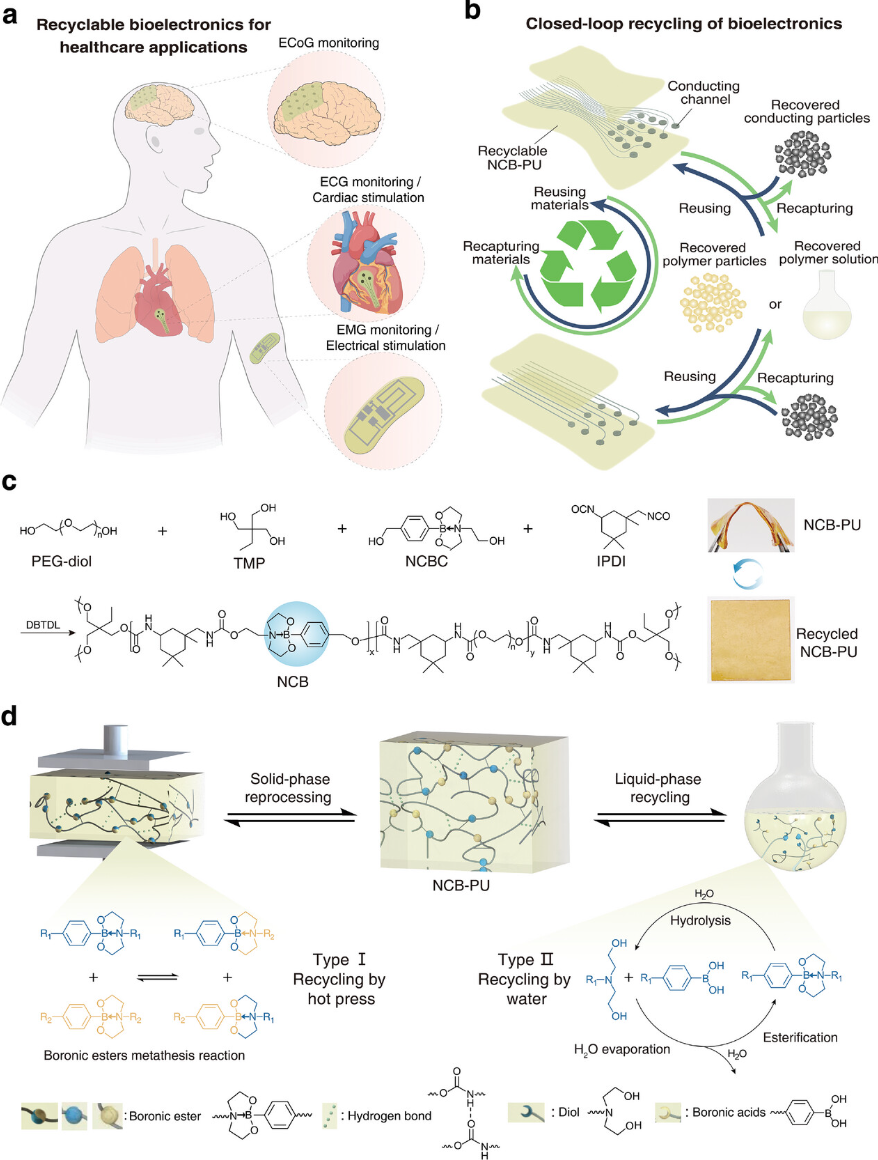
This paper reports the design of recyclable polyurethane vitrimers engineered with internal nitrogen-coordinating cyclic-boronic-diester bonds, demonstrating their performance as sustainable flexible bioelectronics substrates and their closed-loop recyclability.

Deep learning of buckling instability in geometrically symmetry-breaking kirigami
[4]

Deep learning of buckling instability in geometrically symmetry-breaking kirigami

Yunce Zhang, Yafei Wang†, Qiang Tao, Yuanpeng Liu, Changguo Wang
International Journal of Mechanical Sciences, 2024, 280, 109331.

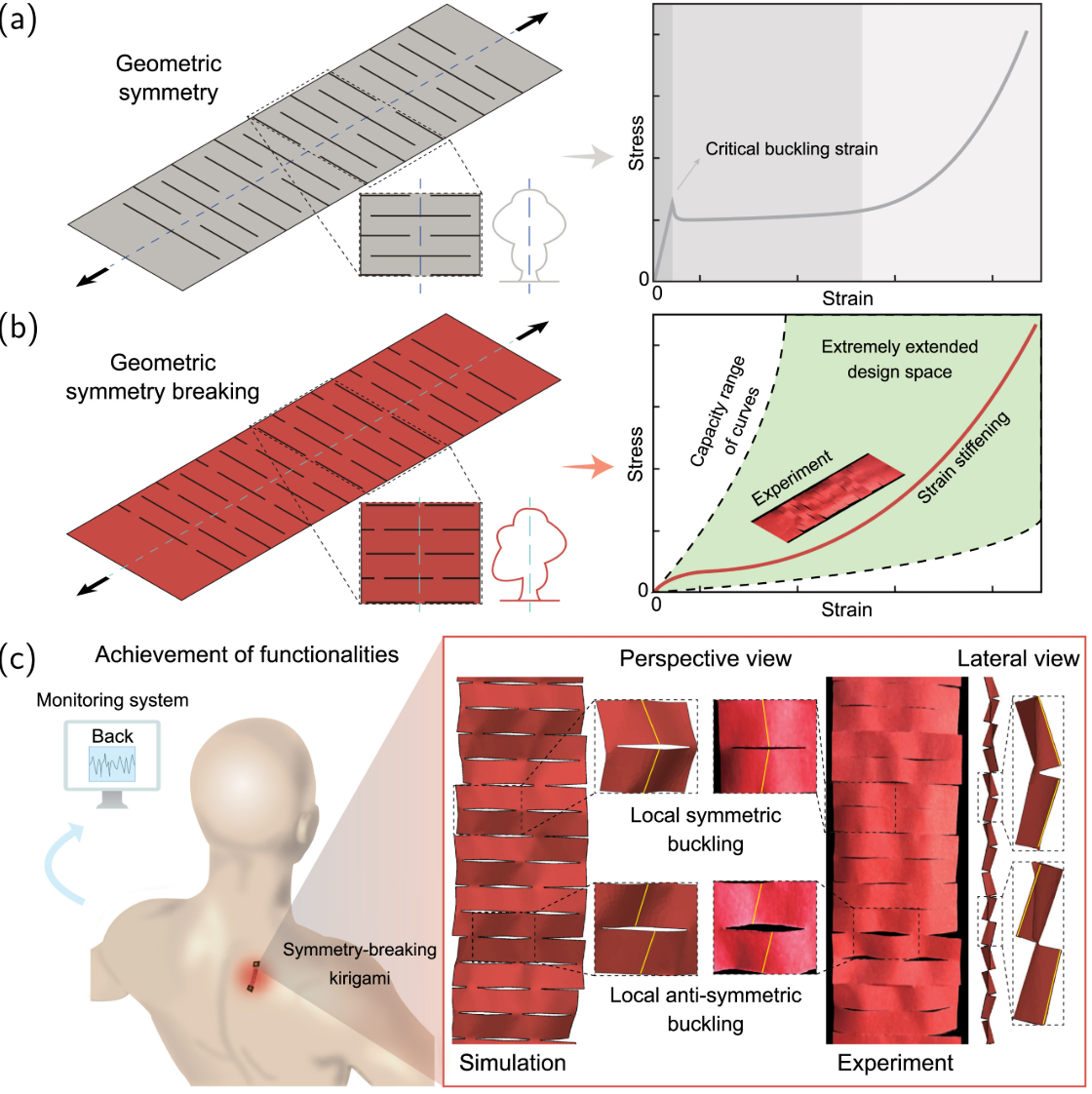
This paper investigates deep learning approaches to characterize buckling instability in geometrically symmetry-breaking kirigami, employing neural networks to classify buckling modes and predict instability thresholds accurately.

Self-growing hydrogel bioadhesives for chronic wound management
[3]

Self-growing hydrogel bioadhesives for chronic wound management

Ziman Zheng#, Xingmei Chen#, Yafei Wang#, Ping Wen, Qingfang Duan, Pei Zhang, Liangjie Shan, Zhipeng Ni, Yinghui Feng, Yu Xue, Xing Li, Lin Zhang, Ji Liu
Advanced Materials, 2024, 36(41), e2408538.

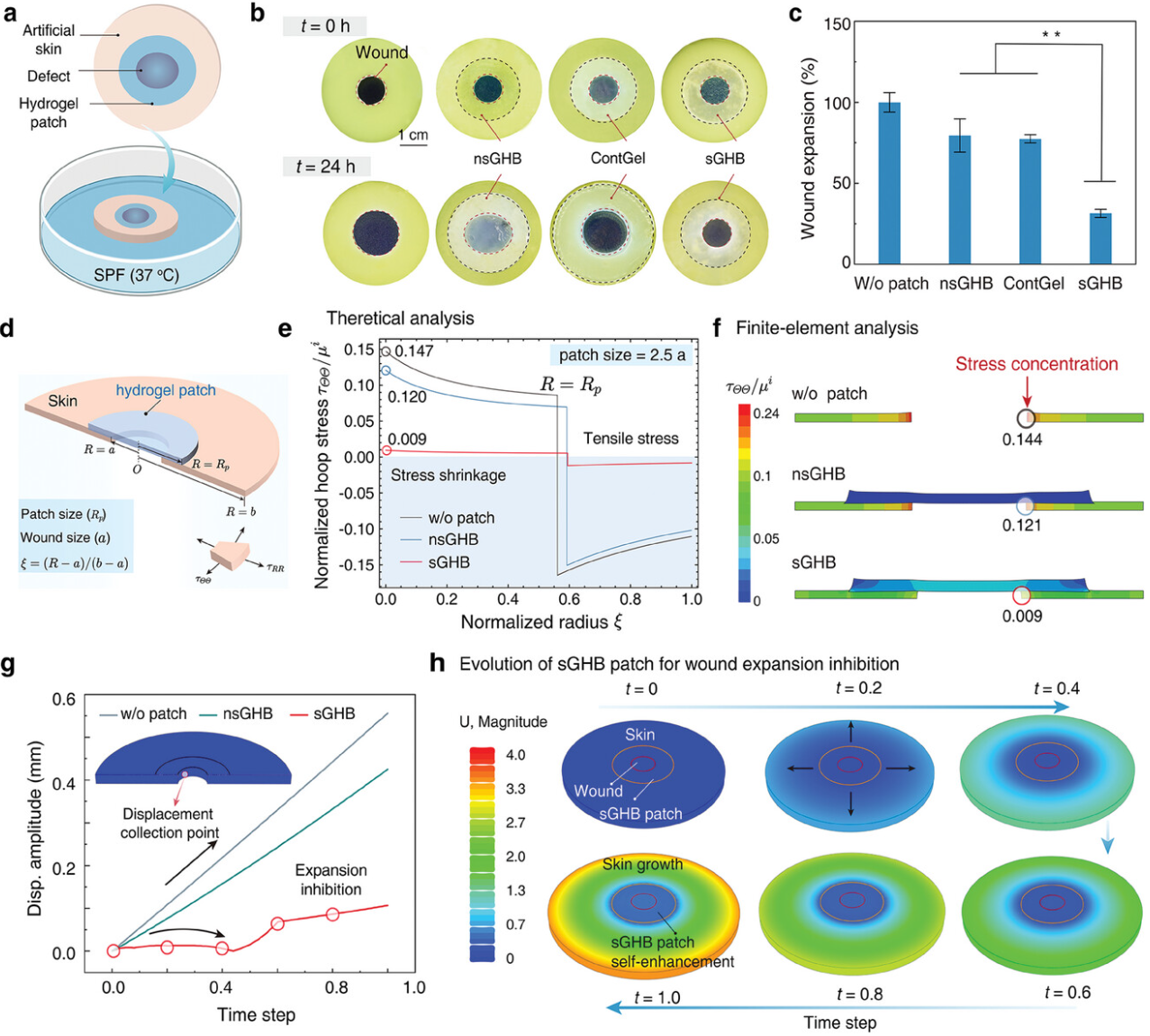
We developed a self-growing hydrogel bioadhesive patch that instantaneously adheres to biological tissues and progressively strengthens over 120 h to mechanically contract chronic wounds and enhance healing efficacy.

Sustainable three-dimensional printing of waste paper-based functional materials and constructs
[2]

Sustainable three-dimensional printing of waste paper-based functional materials and constructs

Chengcheng Cai, Pei Zhang, Yafei Wang, Yun Tan, Iek Man Lei, Ben Bin Xu, Ji Liu
Advanced Composites and Hybrid Materials, 2024, 7(5), 156.

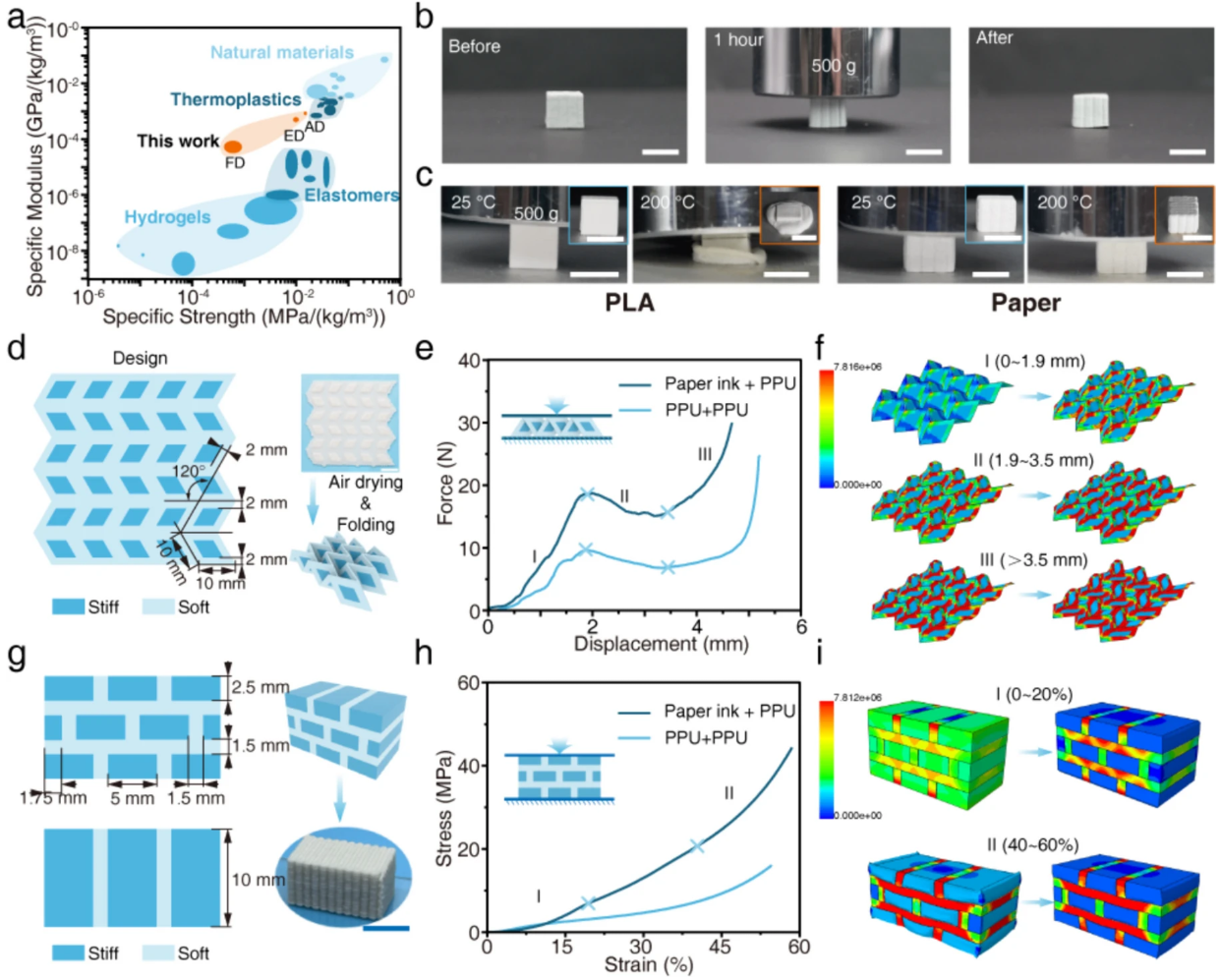
We present a low-cost strategy harnessing waste paper as feedstock to develop sustainable 3D printing inks that offer remarkable printability, circular utilization of biodegradable wastes to produce mechanically robust constructs, and efficient recyclability for reprinting.

Wireless bioelectronics for in vivo pressure monitoring with mechanically-compliant hydrogel biointerfaces
[1]

Wireless bioelectronics for in vivo pressure monitoring with mechanically-compliant hydrogel biointerfaces

Jingsen Lin, Xingmei Chen, Pei Zhang, Yu Xue, Yinghui Feng, Zhipeng Ni, Yue Tao, Yafei Wang, Ji Liu
Advanced Materials, 2024, 36(26), e2400181.

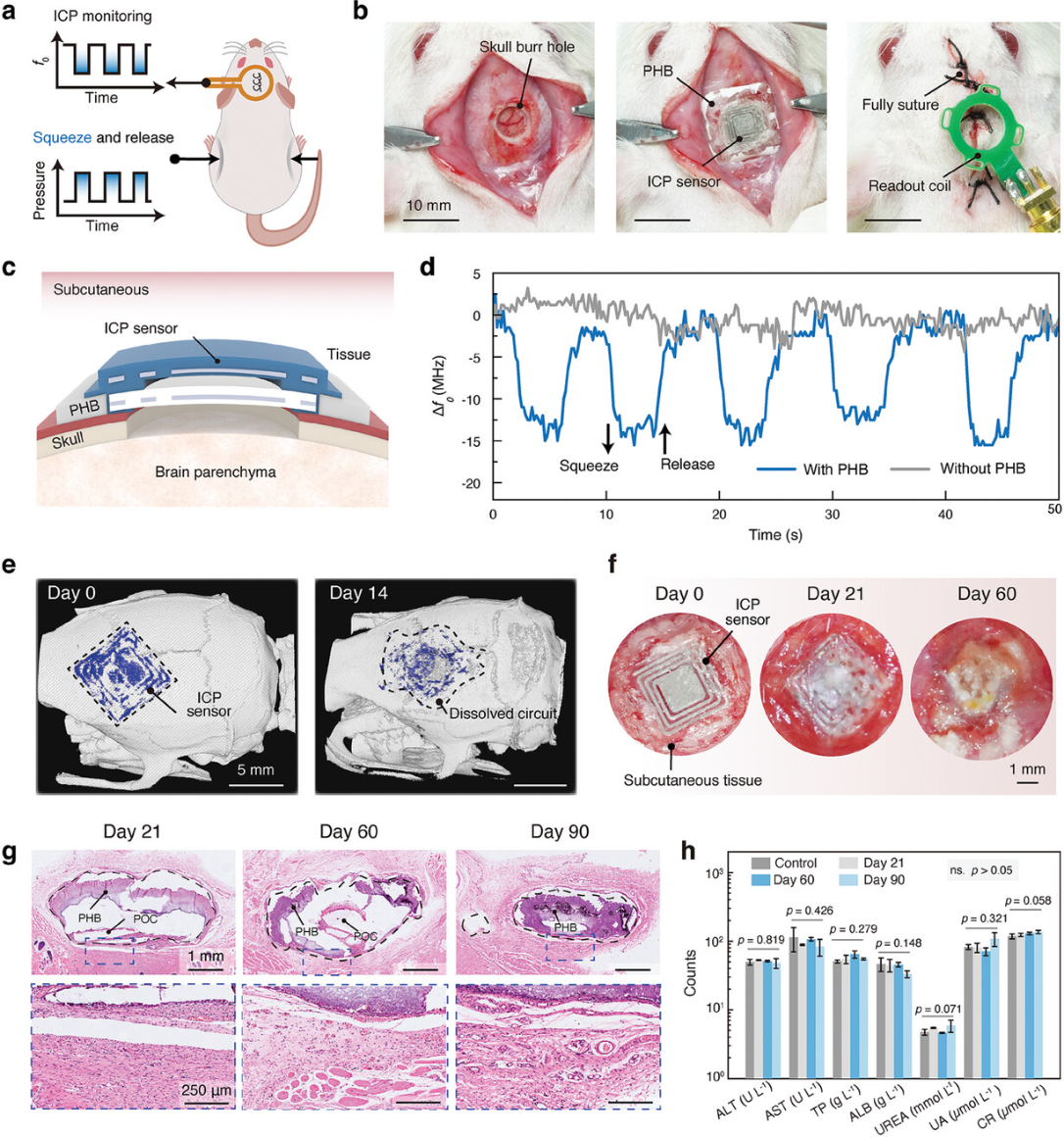
We developed a wireless hydrogel biointerface enabling in vivo pressure monitoring via inductively powered sensors, demonstrating stable adhesion and accurate intracranial pressure measurements in rats.

2023

Substantial curvature effects on compliant serpentine mechanics
[3]

Substantial curvature effects on compliant serpentine mechanics

Yafei Wang, Wei Zhao, Yangkun Du, Zhijun Dai, Yanju Liu, Fan Xu
Mechanics of Materials, 2023, 184, 104732.

We present a novel large-curvature beam model for non-buckling serpentine interconnects, derive analytical solutions, and validate them experimentally and numerically to elucidate how geometry regulates stretchability and identify arc angles causing abnormal mechanical behavior.

Strain stiffening retards growth instability in residually stressed biological tissues
[2]

Strain stiffening retards growth instability in residually stressed biological tissues

Yafei Wang, Yangkun Du, Fan Xu
Journal of the Mechanics and Physics of Solids, 2023, 178, 105360.

This study examines how strain-stiffening in biological tissues influences growth and remodeling, particularly in airways. Using a growing tubular structure with collagen-induced strain-stiffening, the research incorporates the nonlinear hyperelastic Gent model and initial stress symmetry theory. Results show that strain-stiffening delays growth instability at moderate strains and prevents it at low strains, maintaining stable epithelial tissue. These findings suggest that strain-stiffening can slow instability in biological growth and remodeling, with implications for clinical interventions in chronic inflammatory airway diseases.

Smart helical swimmer: Nested and uncoiled designs
[1]

Smart helical swimmer: Nested and uncoiled designs

Zeyi Zhang, Zhibo Song, Yafei Wang, Changguo Wang
International Journal of Mechanical Sciences, 2023, 242, 107996.

We design smart helical swimmers with nested and uncoiled temperature-sensitive geometries to regulate propulsion velocity at low Reynolds number, validated through theoretical modeling and experiments for biomedical applications.

2022

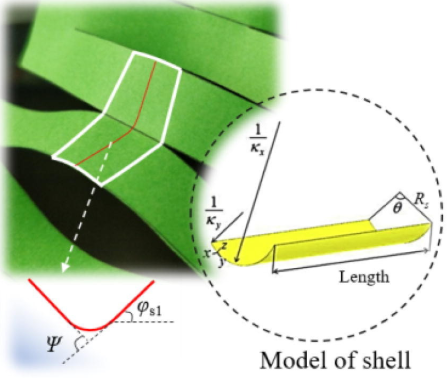
Flexible kirigami with local cylindrical shell design for stretchable microstrip antenna
[5]

Flexible kirigami with local cylindrical shell design for stretchable microstrip antenna

Ji Zhang, Lamei Zhang, Yafei Wang, Youshan Wang, Changguo Wang
Composite Structures, 2022, 296, 115879.

We propose a flexible kirigami structure integrating rotating rigid squares with local cylindrical shells to enhance deployable microstrip antenna flexibility and induce snap-through instability, modeled via a rotational spring system calibrated by finite element analysis and validated experimentally.

Lateral constrained wrinkling of the film with partial contact
[4]

Lateral constrained wrinkling of the film with partial contact

Mengxiong Liu, Zhiming Xue, Yafei Wang, Xide Li, Changguo Wang
International Journal of Mechanical Sciences, 2022, 217, 107022.

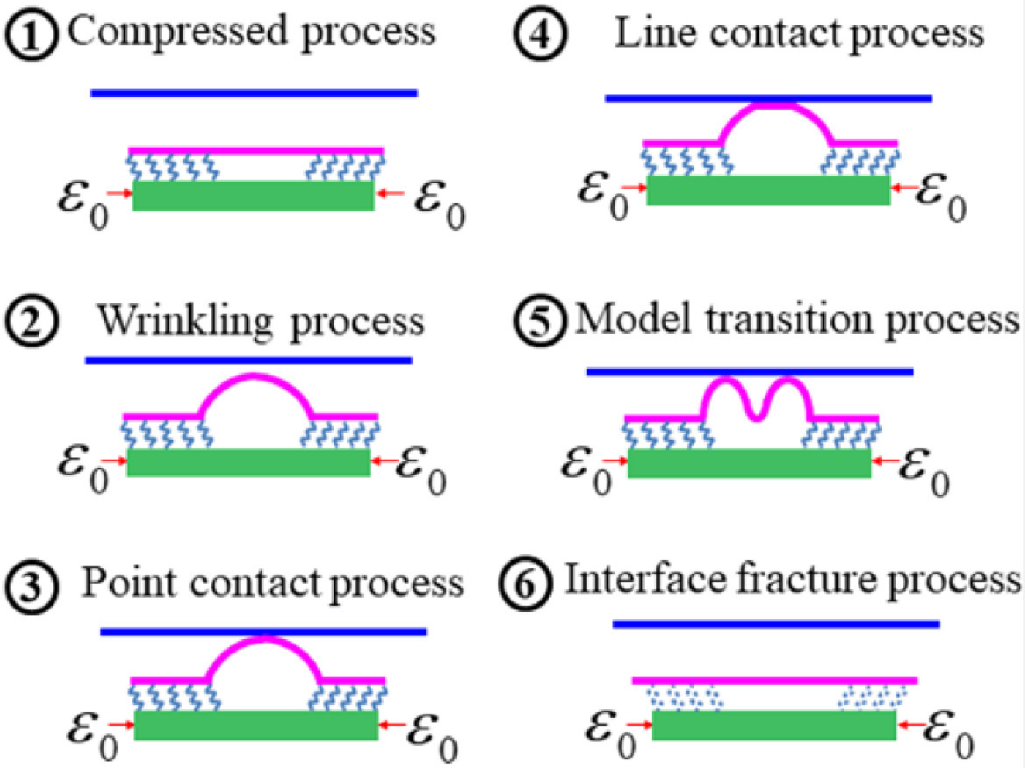
We develop three analytical models—bonded, sliding, and lateral constrained types—to reveal how partial contact and lateral constraints govern film wrinkling behavior, supported by numerical simulations and experimental validation.

Mechanics of strain-limiting wrinkled kirigami for flexible devices: High flexibility, stretchability and compressibility
[3]

Mechanics of strain-limiting wrinkled kirigami for flexible devices: High flexibility, stretchability and compressibility

Yafei Wang, Changguo Wang
International Journal of Solids and Structures, 2022, 238, 111382.

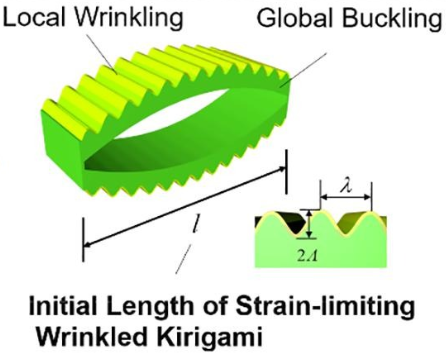
We develop a theoretical framework for strain-limiting wrinkled kirigami that enables flexible devices to achieve high flexibility, stretchability, and compressibility through parameterized geometric designs validated by analytical modeling.

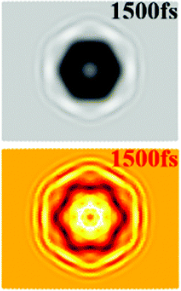
Anomalous wrinkle propagation in polycrystalline graphene with tilt grain boundaries
[2]

Anomalous wrinkle propagation in polycrystalline graphene with tilt grain boundaries

Zihui Zhao#, Yafei Wang#, Changguo Wang
Physical Chemistry Chemical Physics, 2023, 25, 3681-3694.

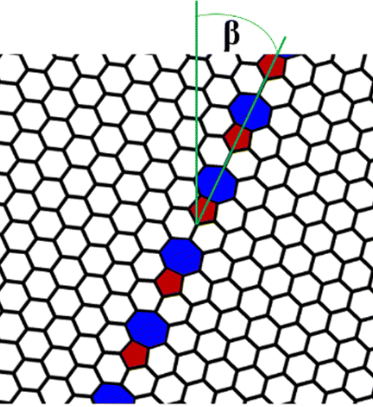
We perform molecular dynamics simulations on polycrystalline graphene with tilt grain boundaries to uncover how misorientation angle and wrinkle parameters govern anomalous wrinkle propagation and energy conversion.

Helical micro-swimmer: Hierarchical tail design and propulsive motility
[1]

Helical micro-swimmer: Hierarchical tail design and propulsive motility

Zeyi Zhang, Yafei Wang, Jingtian Kang, Xinghan Qiu, Changguo Wang
Soft Matter, 2022, 18(33), 6148-6156.

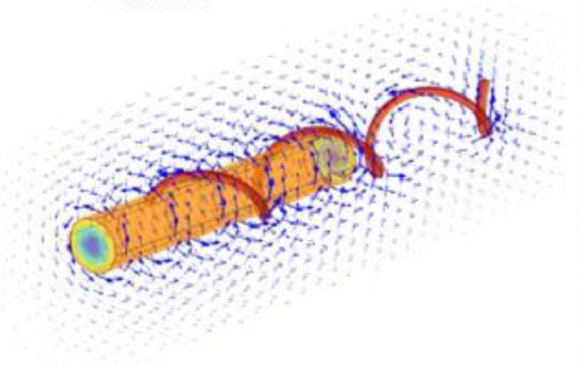
Helical micro-swimmers have greatly expanded human capabilities in fields ranging from lab-on-a-chip systems to minimally invasive medicine. Moving beyond the common focus on actuation principles, this work introduces a novel hierarchical helical swimmer whose structural design significantly enhances motility. Numerical modeling and experiments demonstrate that this hierarchical design provides superior propulsion, stability, and tunable speed in low Reynolds number regimes compared to conventional helices. This advancement offers a promising design strategy for future medical robots and bio-integrated electronics.

2021

Buckling of ultrastretchable kirigami metastructures for mechanical programmability and energy harvesting
[2]

Buckling of ultrastretchable kirigami metastructures for mechanical programmability and energy harvesting

Yafei Wang, Changguo Wang
International Journal of Solids and Structures, 2021, 213, 93–102.

We develop a theoretical framework to describe the buckling behavior of ultrastretchable kirigami metastructures, validated through experiments and simulations for applications in stretchable electronics and energy harvesting.

A theoretical study of wrinkle propagation in graphene with flower-like grain boundaries
[1]

A theoretical study of wrinkle propagation in graphene with flower-like grain boundaries

Zihui Zhao#, Yafei Wang#, Changguo Wang
Physical Chemistry Chemical Physics, 2021, 23(20), 11917–11930.

This work investigates wrinkle propagation across flower-like grain boundaries in graphene through theoretical modeling and atomistic simulations. A defect shielding effect is revealed, showing how wrinkle behavior varies with GB curvature. The study provides insight into designing graphene-based nanomechanical devices.

2020

Light weight optimization of stratospheric airship envelope based on reliability analysis
[5]

Light weight optimization of stratospheric airship envelope based on reliability analysis

Yunce Zhang, Yafei Wang, Changguo Wang
Chinese Journal of Aeronautics, 2020, 33(10), 2670–2678.

This paper develops a reliability-based lightweight optimization method for stratospheric airship envelopes, considering three failure modes—bending wrinkling, hoop tearing, and bending kink. The proposed design approach incorporates multidisciplinary analysis and shows how geometry and loading conditions affect failure mechanisms and structural efficiency.

Analysis and Verification of an Optimal Design Solution for Rubble Mound Breakwaters Considering Interactions of Failure Modes
[4]

Analysis and Verification of an Optimal Design Solution for Rubble Mound Breakwaters Considering Interactions of Failure Modes

Yunce Zhang, Zongmin Liu, Yafei Wang, Changguo Wang
Journal of Waterway, Port, Coastal, and Ocean Engineering, 2020, 146(2), 04020001.

This paper proposes and verifies an optimal design approach for rubble mound breakwaters by accounting for the interactions of multiple failure modes, including overtopping, armor instability, and crown wall sliding. The model integrates construction and repair costs, with an auxiliary coefficient to quantify the impact of each failure mode on overall reliability and cost.

Self-assembly of graphene sheets actuated by surface topological defects: Toward the fabrication of novel nanostructures and drug delivery devices
[3]

Self-assembly of graphene sheets actuated by surface topological defects: Toward the fabrication of novel nanostructures and drug delivery devices

Yafei Wang, Changguo Wang
Applied Surface Science, 2020, 505, 144008.

This study investigates the self-assembly behaviors of graphene sheets induced by surface topological defects using atomistic simulations. A systematic simulation approach reveals four distinct dynamic modes—polygon nanoscroll, polygon nanotube, breathing oscillation, and damping vibration—each modulated by geometric design parameters. The work proposes a reverse design paradigm to achieve targeted nanostructures for applications such as drug delivery.

Effect of temperature difference on the mechanical responses of ribbon kirigami: Toward the highly stretchable conductors
[2]

Effect of temperature difference on the mechanical responses of ribbon kirigami: Toward the highly stretchable conductors

Yafei Wang, Changguo Wang
International Journal of Mechanical Sciences, 2020, 168, 105301.

This work develops a thermal-mechanical model to study how temperature differences affect the stretchability of ribbon kirigami conductors. Theoretical predictions are validated by simulations and experiments, offering insights for wearable and stretchable electronics.

Geometry-dependent stretchability and stiffness of ribbon kirigami based on large curvature curved beam model
[1]

Geometry-dependent stretchability and stiffness of ribbon kirigami based on large curvature curved beam model

Yafei Wang, Changguo Wang, Huifeng Tan
International Journal of Solids and Structures, 2020, 182: 236–253.

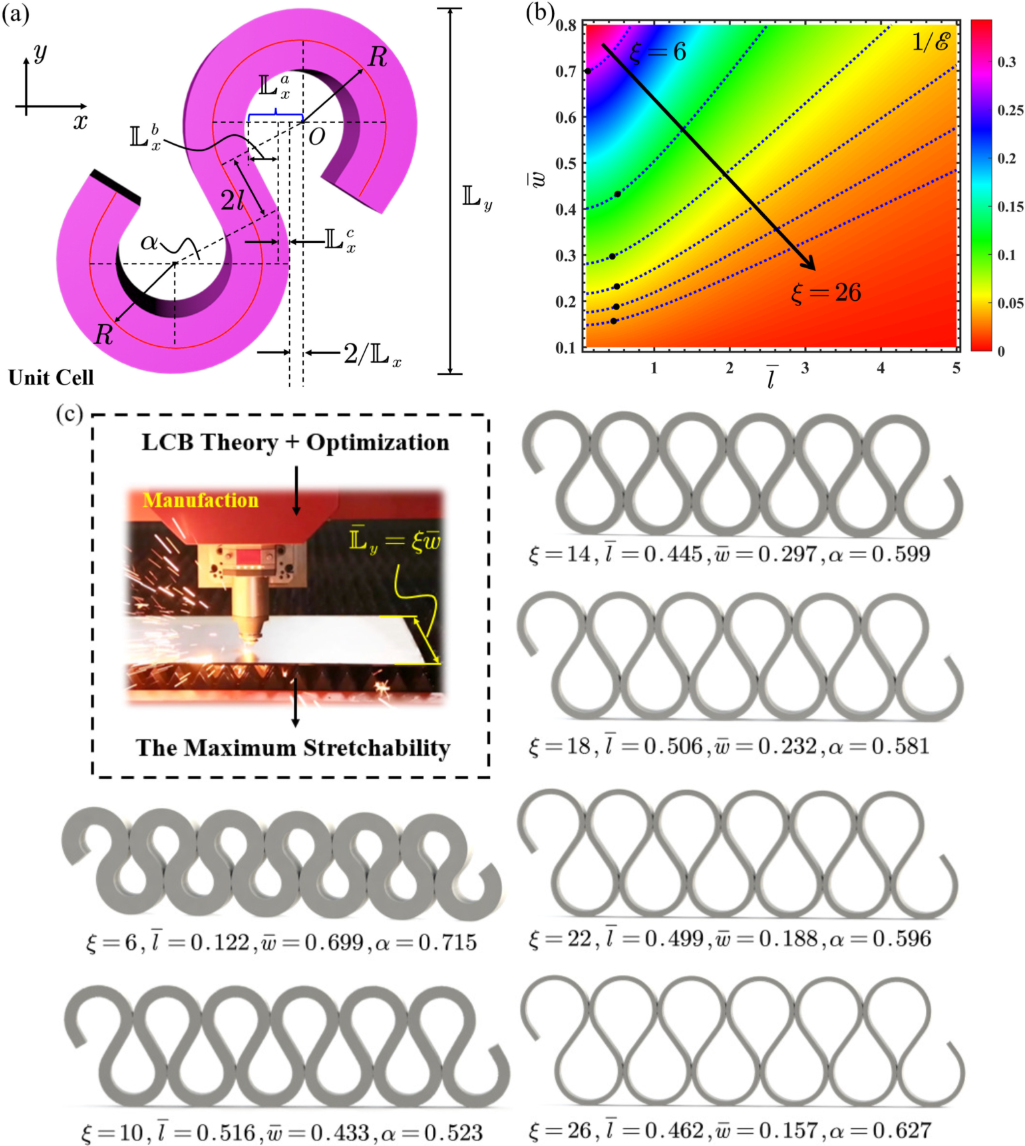
A dimensionless analytical model based on the large curvature curved beam theory is proposed to predict the normalized stiffness and stretchability of ribbon kirigami. Theoretical predictions are validated by experiments and simulations, offering design insights for kirigami-based structures.

2019

Vibration frequency analysis of rippled single-layered graphene sheet: Toward the nano resonant devices design
[5]

Vibration frequency analysis of rippled single-layered graphene sheet: Toward the nano resonant devices design

Zeyi Zhang, Lan Lan, Yafei Wang, Changguo Wang
Physica E: Low-dimensional Systems and Nanostructures, 2019, 114: 113580.

This work presents an analytical model for predicting vibration frequency shifts in rippled single-layer graphene sheets using improved continuum mechanics. The effects of surface wrinkles, functional groups, and structural defects on vibration behavior are explored, guiding future nanoresonator design.

Intrinsic edge warping of graphene nanoribbon boost molecular directional motion: Toward the novel nanodevices
[4]

Intrinsic edge warping of graphene nanoribbon boost molecular directional motion: Toward the novel nanodevices

Yafei Wang, Changguo Wang, Huifeng Tan
Physics Letters A, 2019, 383(13): 1473–1477.

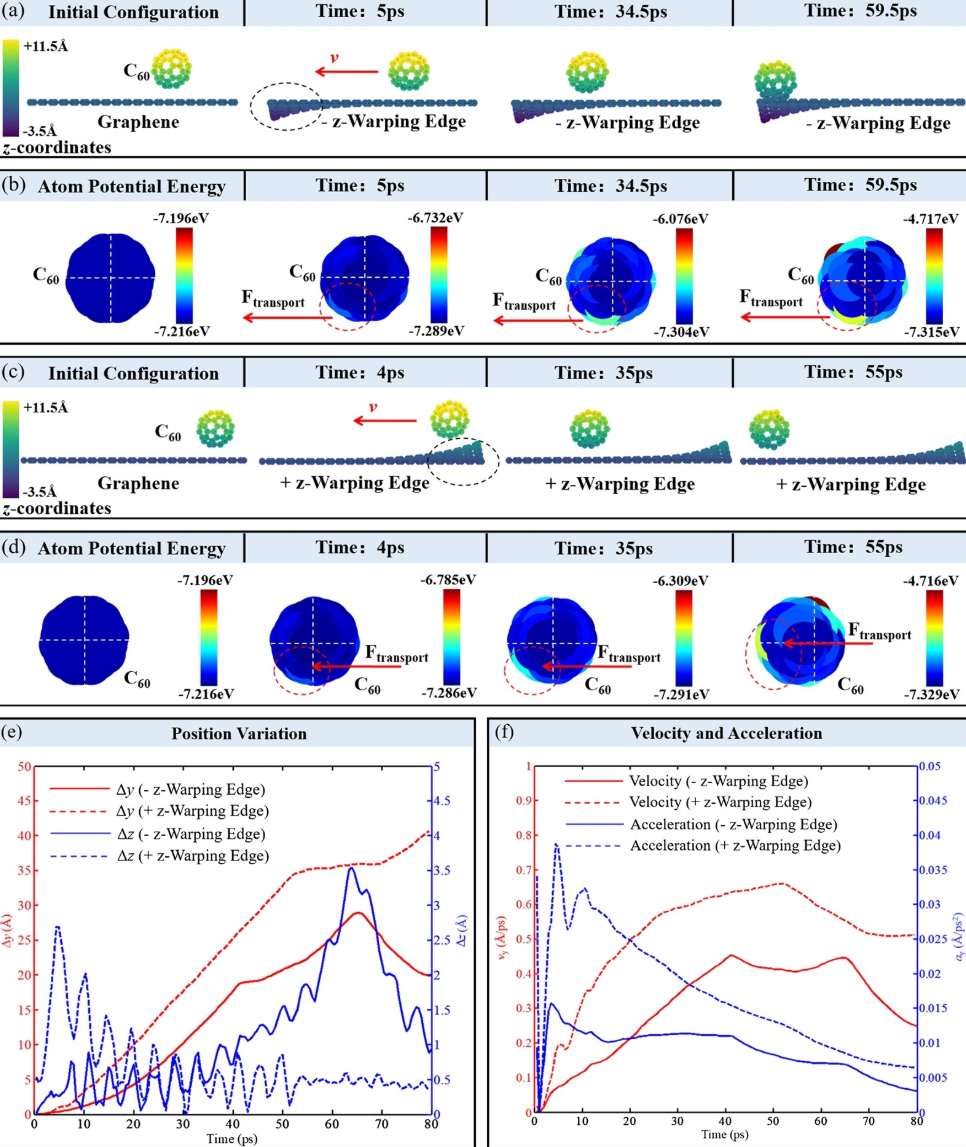
This study reveals how intrinsic edge warping of graphene nanoribbons enables directional molecular motion through theoretical analysis and molecular dynamics simulations. The findings demonstrate that fullerene motion prefers the +z-warping edge direction, providing inspiration for designing nanodevices based on curvature-induced actuation.

Graphene kirigami as reinforcement and interfacial bonding effect for toughness and strength of silicon-based nanocomposites
[3]

Graphene kirigami as reinforcement and interfacial bonding effect for toughness and strength of silicon-based nanocomposites

Yafei Wang, Changguo Wang, Yunce Zhang, Huifeng Tan
Computational Materials Science, 2019, 159: 306–315.

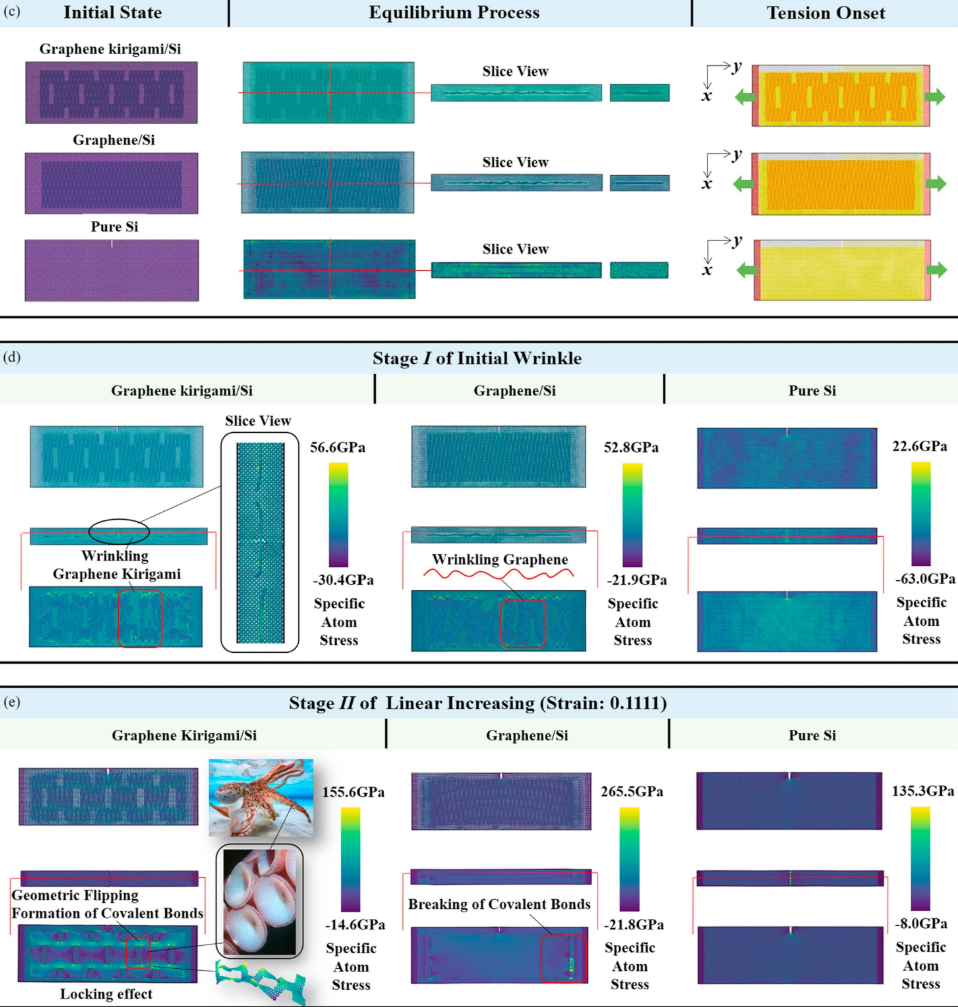
This study reveals how graphene kirigami enhances the strength and toughness of silicon-based nanocomposites, highlighting the roles of interfacial bonding and structural geometry.

Dimensional variation of reconfigurable serpentine graphene nanoribbon under tension
[2]

Dimensional variation of reconfigurable serpentine graphene nanoribbon under tension

Yafei Wang, Changguo Wang, Yunce Zhang, Jiaming Guo, Huifeng Tan
Journal of Applied Physics, 2019, 125(8).

This study investigates dimensional transitions in serpentine graphene nanoribbons under tension, combining simulations and experiments. Results reveal a counterintuitive deformation mechanism with potential for tunable device applications.

The mechanical design of a hybrid intelligent hinge with shape memory polymer and spring sheet
[1]

The mechanical design of a hybrid intelligent hinge with shape memory polymer and spring sheet

Changguo Wang, Yafei Wang
Composites Part B: Engineering, 2018, 134: 1–8.

This study proposes a hybrid intelligent hinge combining shape memory polymers and a spring sheet, demonstrating controllable recovery behavior through theoretical modeling, simulations, and experiments to guide the design of deployable structures.